
AI data collection partners
Turn everyday operations into a new revenue stream.
GIG pays your business up to ₱650 for every approved hour collected across agreed tasks, people, and sites.
Open to owner-run businesses and larger operators, including cafés, bakeries, shops, cleaning services, and multi-site teams.

- Commercial model
- Payment basis
- Best suited to
Earnings calculator
How much could your company earn helping train robots?
Estimate gross revenue when staff capture approved first-person, or egocentric, data during suitable work.
Adjust your staff and hours. GIG confirms the task, validation rules, and hourly rate before collection starts.
10 staff members × 5 approved hours each = 50 total approved hours
Project profile
Your work environment helps scope project complexity. The selected camera setup changes the illustrative rate below. GIG confirms the final rate before collection starts.
Illustrative maximum gross revenue
Café, bakery or bakeshop, single camera
Where collection fits
Work already happening in your operation.
Repeatable work produces the hand, object, movement, and environment signals that embodied AI projects need.
Cleaning services
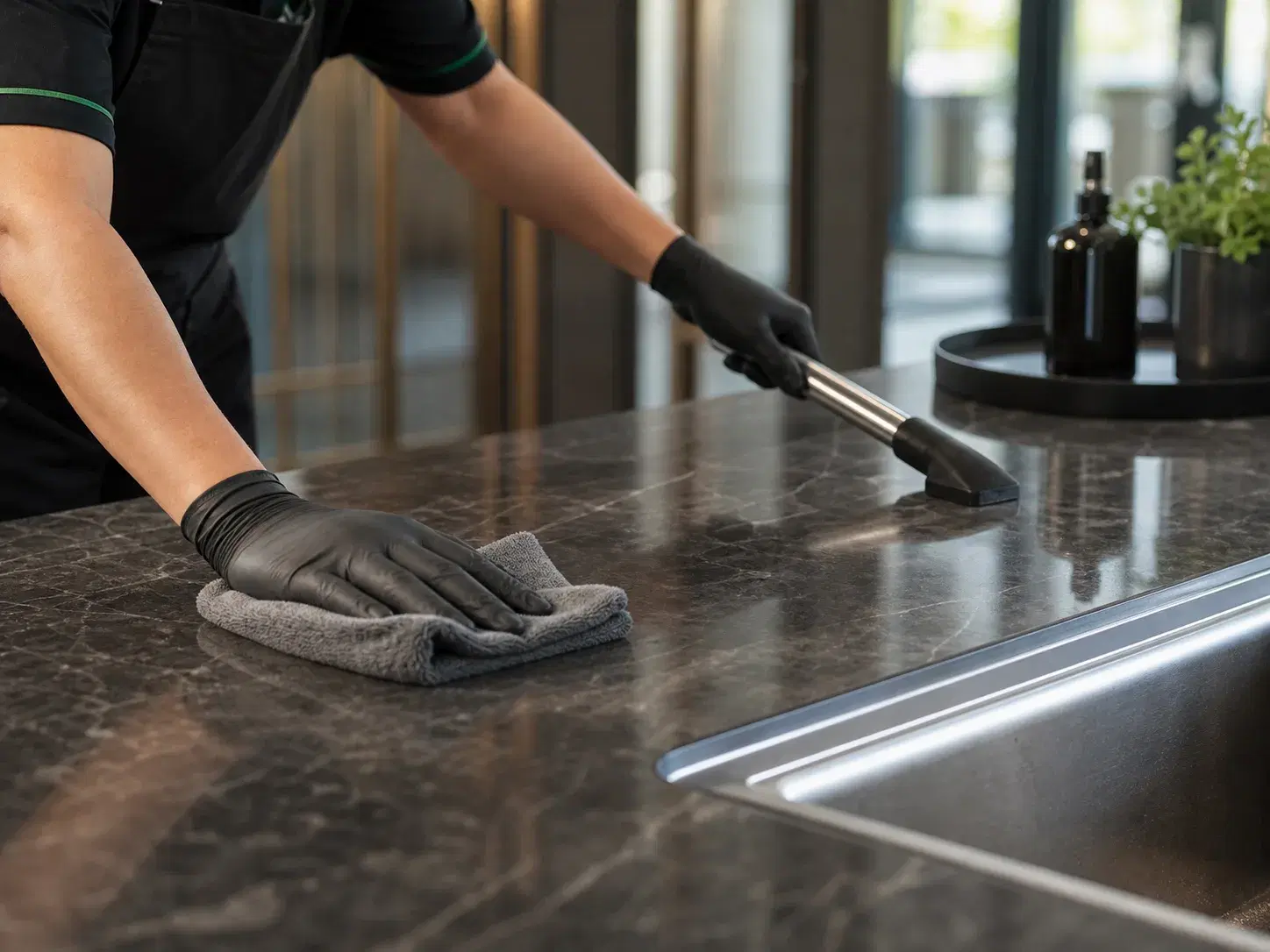
Surface cleaning, navigation, everyday tool use, and structured multi-step work.
Laundry and laundromats
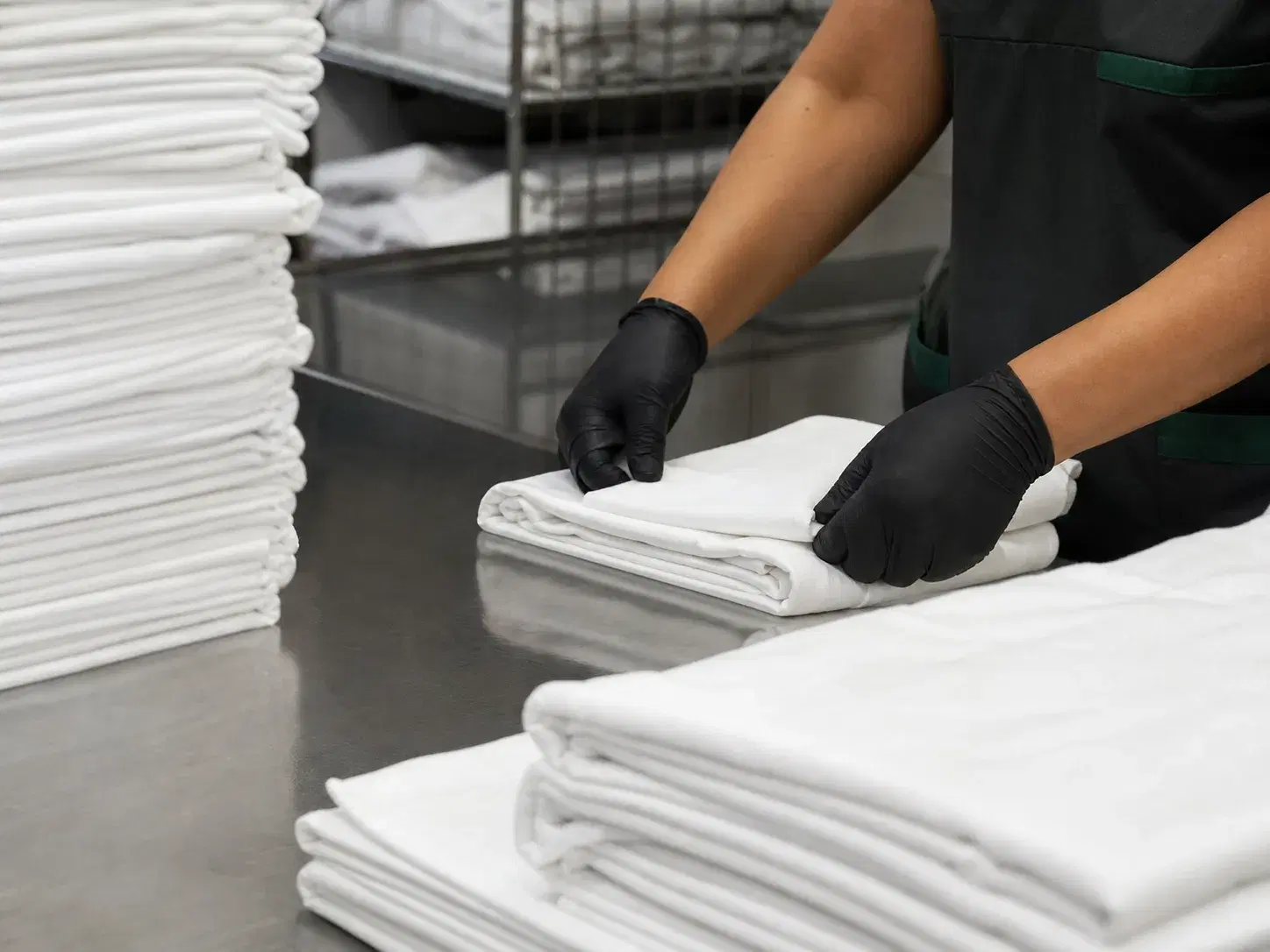
Sorting, loading, folding, garment handling, and packaging across repeatable workflows.
Facilities management
Inspection, setup, maintenance support, and routine equipment handling.
Hospitality operations
Hotel and Airbnb housekeeping, room preparation, linen handling, and service workflows.
Mini marts and retail stores
Stocking shelves, arranging displays, inventory handling, picking, packing, and store upkeep.
Cafés and bakeries
Food preparation, baking, packing orders, stocking displays, and cleaning in approved back-of-house areas.
Warehousing and logistics
Picking, packing, sorting, and material movement in controlled environments.
Up to ₱650 per approved hour
The rate reflects task complexity and the collection environment. GIG confirms it before work begins.
Use the operation you already run
Create project revenue from existing teams, sites, supervisors, and repeatable physical workflows.
Scale across teams and branches
One operating partner can coordinate collection across multiple shifts or locations.
GIG handles the AI requirements
We provide the brief, collection rules, quality checks, validation, and reporting.
Operating model
One project. Clear hand-offs.
Your operation supplies the people, workflows, and locations. GIG supplies the project requirements and validates the output.
Choose a first conversation
Request an info session or onboarding call, then select the tasks that apply to your operation.
Scope the project
GIG confirms the task, environment, equipment plan, acceptance rules, and hourly rate.
Organise teams and sites
Your business coordinates participants, approved locations, schedules, and supervision.
Collect and validate
Participants complete the agreed tasks. GIG reviews every submission against the brief.
Receive business payment
GIG pays your business for collection hours that pass the agreed validation rules.
Before collection starts
Clear responsibilities before collection starts.
The operating model is co-managed. GIG owns the project brief and validation; your business owns participant coordination and on-site delivery.
GIG provides
- Project brief and task requirements
- Confirmed rate before collection starts
- Capture and equipment plan
- Onboarding and quality instructions
- Submission validation and reporting
- Business-level project payment
Your business provides
- Suitable participating workers
- Permissioned operating locations
- Scheduling and supervision
- Required worker and site approvals
- Worker compensation
- Compliance with collection rules
Permission comes before capture.
Collection only takes place in approved environments. Customer faces, private homes, personal documents, and sensitive information must not be recorded unless the project explicitly permits it.
Start the conversation
Choose the right first call.
Start with a low-pressure info session, or request an onboarding call if you are ready to discuss a pilot.
Applying does not guarantee a project. GIG reviews operational, safety, privacy, and client fit before offering collection work.
FAQ
Questions operators ask.
What counts as an approved collection hour?
An approved collection hour is recorded work that passes the project's consent, capture, task, and quality requirements. Rejected or unusable footage does not count toward payment.
How does the earnings calculator work?
The calculator multiplies the participating staff you enter by the approved hours per person, then applies the reference rate for the selected camera setup. The result is an illustrative gross-revenue estimate, not a quote or guarantee. GIG confirms the final task, hourly rate, validation rules, and per-establishment hour cap before collection begins. Your work environment helps us scope the project but does not automatically change the estimate.
Will my trade secrets be safe?
You choose which tasks and areas you are willing to film. The pilot brief records the approved tasks, locations, and anything that must stay off camera before collection starts.
How frequently will my business be paid?
For the one-month pilot, your business submits the footage after 30 days. GIG reviews it within 3-5 business days, then processes payment for the approved hours.
Will I pay VAT or withholding tax for the pilot?
GIG does not determine your business's tax position. The MOU will state how the pilot payment is processed. Your business should declare the income and confirm any VAT, withholding, or other obligations with its accountant.
How do I know if my staff are filming correctly?
You will have access to the GIG team to review your first sample footage. We will confirm whether the setup and footage meet the brief before your team continues at scale.
Why are staff using their own phones?
For the pilot, we plan to test phone mounts with participants' own devices so your business does not need to safeguard additional phones. Transfer footage periodically and check that it matches what your business agreed to share before sending it to GIG.
Is there a minimum or maximum number of hours?
There is no fixed minimum to request an info session. Every approved project will have a maximum number of payable collection hours per establishment. GIG confirms that cap after reviewing your available people, tasks, and locations, and records it with the other pilot terms in the MOU. The calculator does not apply this cap, so actual gross revenue may be lower than the estimate shown.
Does GIG pay my staff separately?
No. GIG contracts with and pays your business for approved collection hours. How your business compensates participating staff is your decision, subject to its employment arrangements and applicable law.
What kinds of businesses qualify?
Owner-run cafés, bakeries, shops, cleaning and laundry services, hotels, Airbnbs, facilities teams, retailers, warehouses, logistics operators, and other businesses with repeatable physical workflows may qualify. Fit depends on the tasks, approved location, available hours, safety, privacy, and current project needs.
Is there a minimum workforce size?
No fixed workforce minimum is required to request an info session. Owner-operated cafés, bakeries, shops, and larger multi-site businesses may all be considered. Fit depends on the tasks, available hours, approved location, safety, privacy, and current project needs.
Do workers need to use head-mounted cameras?
Some projects use a smartphone head-mount to record first-person activity. Other projects may use different capture methods. The required equipment is confirmed during project scoping.
Can collection happen during normal operations?
Only when the approved brief, site permission, worker consent, privacy controls, and safety requirements allow it. Some projects may need controlled or off-hours collection.
Does requesting a call guarantee a project?
No. The call helps both sides assess workforce, workflow, location, safety, privacy, and project fit before any collection opportunity is offered.